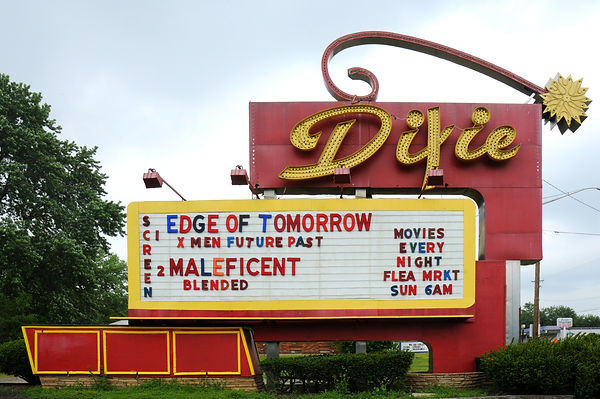
STILL STANDING STRONG BOOK TOUR 2026
Check out these locations for book signings and other fun events!
Bookmarks Bookstore, Winston-Salem, NC April 23, 6:30-7:30
Strand Theatre, Delaware, OH June 17, 6:00
Maynard Fine Arts Theatre, Maynard, MA June 20, 2:00
Midwest Theater, Scottsbluff, NE July 18, time TBA
Coyote Twin Theater, Vermillion, SD July 21, time TBA
a/perture Cinema, Winston-Salem, NC August 1, time TBA
More locations and dates to come!
America's Hometown Movie Theaters: Please Remain Standing
Author/Photographer Benita VanWinkle
Foreword by Henry B. Aldridge, Emeritus Professor, Eastern Michigan University
PREORDER NOW at AMAZON -or- at your local bookstore soon!
Hardcover, 608 pages, almost 500 photographs (mostly color), 9.25 x 8.50 inches
$75.00 USD ISBN: 978-1735600147
A photography book celebrating hometown movie theaters across America
A visual feast for anyone who loves historic architecture or going out to the movies, this book features hundreds of photographs of single-screen movie theaters built before 1965 when the multiplex began to dominate the entertainment landscape. Photographer Benita VanWinkle began searching out hometown movie theaters to photograph in 1982. For more than forty years, she has captured every architectural type, from the simple Calicoon Theater in Calicoon, New York, which was built from a repurposed Quonset hut, to the grand Ohio Theater in Columbus, Ohio, with its dazzling chandelier. Her photographs depict magnificent Art Deco detailing and fanciful concoctions blending elements of disparate cultures, striking marquees and elaborate roadside signs whose neon lights still attract audiences to the once ubiquitous drive-in theater.
The images presented in this book are a selection of the thousands of photographs VanWinkle has taken for her documentary project entitled Please Remain Standing—a call to preserve the community theaters that remain. Once the cornerstone of a town’s social life, the American movie theater has been fading from our national consciousness. With each advance in technology over the past century—the introduction of sound, digital projection, home streaming—many movie theaters facing financial hardship have closed. Recently, however, a remarkable number of towns and cities have successfully restored and revived their local movie theaters. VanWinkle also documents historic buildings that once screened movies but have been adapted for a range of alternative functions in order to survive. These buildings, once dedicated to the moving image, now serve as churches, Masonic Temple lodges, live theater venues, restaurants, and in one case, a dentist’s office.
Extensive captions give brief histories of the individual theaters, while VanWinkle’s striking photographs invoke an excitement for the days when many of us went out to the movies as a matter of routine, whether a Friday night first date or a family outing to see a double feature on a Saturday afternoon. The hundreds of movie theaters—and drive-ins—illustrated represent a time when members of a community sat down together in a darkened auditorium, sharing the experience of watching a film, strangers unified through tears and laughter. Although VanWinkle has photographed 1,200 theaters, she continues to crisscross the country to document these architectural gems, and to celebrate the important role these historic movie theaters still occupy in the hearts of the community.